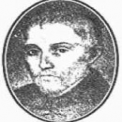
Vittoria, Tomaso-Ludovic-Da
Composer Information
Tomás Luis da Vittoria, was the most famous composer of the 16th century in Spain, and one of the most important composers of the Counter-Reformation, along with Giovanni Pierluigi da Palestrinaand Orlando di Lasso. Victoria was not only a composer, but also an accomplished organist and singer as well as a Catholic priest. However, he preferred the life of a composer to that of a performer. He is sometimes known as the "Spanish Palestrina" because he may have been taught by Palestrina. Victoria is the most significant composer of the Counter-Reformation in Spain, and one of the best-regarded composers of sacred music in the late Renaissance, a genre to which he devoted himself exclusively. Victoria’s music reflected his intricate personality. In his music, the passion of Spanish mysticism and religion is expressed. Victoria was praised by Padre Martini for his melodic phrases and his joyful inventions. His works have undergone a revival in the 20th century, with numerous recent recordings. Many commentators hear in his music a mystical intensity and direct emotional appeal, qualities considered by some to be lacking in the arguably more rhythmically and harmonically placid music of Palestrina. There are quite a few differences in their compositional styles, such as treatment of melody and quarter-note dissonances. [source from Wikipedia]
Work