Fennell, Frederick
Performer
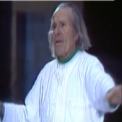
Frederick Fennell (July 2, 1914 – December 7, 2004) was an internationally recognized conductor, and one of the primary figures in promoting the wind ensemble as a performing group. He was also influential as a band pedagogue, and greatly affected the field of music education in the USA and abroad. In Fennell's The New York Times obituary, colleague Jerry F. Junkin was quoted, saying "He was arguably the most famous band conductor since John Philip Sousa." [source from Wikipedia]
Work
- Funeral March - Field Music of the US Armed Forces/Music for Rendering Honors
- Grandioso
- The Picadore
- The Gallant Seventh
- King Cotton
- Field Music of the US Army
- Downfall of Paris - Field Music of the US Army/Traditional Fife and Drum Duet
- Garry Owen - Field Music of the US Army/Marching Tune
- General Burt - Field Music of the US Armed Forces/Marching & Inspection Piece
- On the Mall
- Nobles of the Mystic Shrine
- Hands Across the Sea
- Captain
- The Invincible Eagle
- Rolling Thunder
- The Circus Bee
- Old Comrades
- Sesqui-Centennial Exposition
- The Glory of the Yankee Navy
- Riders for the Flag
- The Black Horse Troop
- The Kansas Wildcats
- The Washington Post
- The Pride of the Wolverines
- The Gridiron Club
- General's March - Field Music of the US Armed Forces/Music for Rendering Honors
- Illinois March
- U.S. Field Artillery March
- The Billboard March
- The Liberty Bell
- The Thunderer
- Manhattan Beach
- Colonel Bogey
- The Golden Ear
- Sound Off
- New Mexico
- Second Regiment, Connecticut National Guard March
- Field Music of the US Army
- Sabre and Spurs
- Children's March
- Rally 'round the Flag - Field Music of the US Army/Marching Tune/Version of The Battle Cry of Freedom by G.F. Root
- Ancient and Honorable Artillery Company
- Our Flirtations
- Bullets and Bayonets
- The National Game
- Golden Jubilee
- Father of Victory
- Dixie - Field Music of the US Army/Marching Tune
- Old Six-Eight - Field Music of the US Armed Forces/Marching & Inspection Piece
- Officer of the Day