

Wagner, Richard
Lohengrin, WWV 75 - Prelude
Work alias : Lohengrin, WWV 75
- Conductor: Walter, Bruno
- Orchestra: Columbia Symphony Orchestra
Composer Information
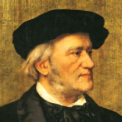
Richard Wagner ( 22 May 1813 – 13 February 1883) was a German composer, theatre director, polemicist, and conductor who is primarily known for his operas (or, as some of his later works were later known, "music dramas"). Unlike most opera composers, Wagner wrote both the libretto and the music for each of his stage works. Initially establishing his reputation as a composer of works in the romantic vein of Weber and Meyerbeer, Wagner revolutionised opera through his concept of the Gesamtkunstwerk ("total work of art"), by which he sought to synthesise the poetic, visual, musical and dramatic arts, with music subsidiary to drama, and which was announced in a series of essays between 1849 and 1852. Wagner realised these ideas most fully in the first half of the four-opera cycle Der Ring des Nibelungen (The Ring of the Nibelung).His compositions, particularly those of his later period, are notable for their complex textures, rich harmonies and orchestration, and the elaborate use of leitmotifs—musical phrases associated with individual characters, places, ideas or plot elements. His advances in musical language, such as extreme chromaticism and quickly shifting tonal centres, greatly influenced the development of classical music. His Tristan und Isolde is sometimes described as marking the start of modern music. [source from Wikipedia]
Work Information
This is a three act romantic opera composed by Wagner, and the libretto is written by himself. The opera describes a story about a swan knight venture on rescuing a young lady. This song is the famous wedding march of the four parts mixed chorus on the wedding night of Elsa and Lohengrin. It is also the march of the bride's entrance in the whole western world. At the end of the opera, Elsa is stricken with grief and falls to the ground dead, but the music is in major mode, which hints that Lohengrin and Elsa are going to have a reunion in heaven.